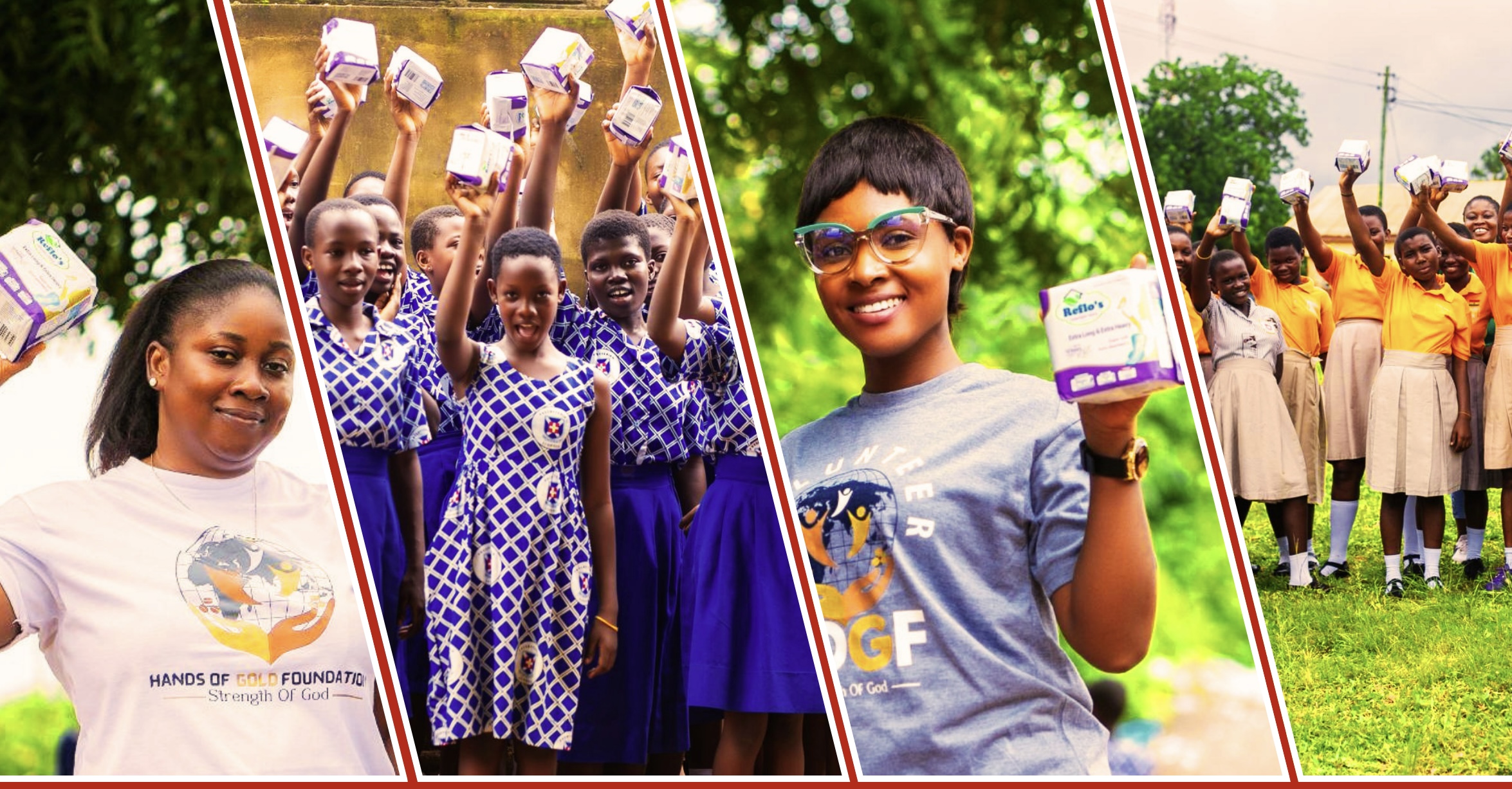
It is imperative on us as Ghanaians to close the safety gap and give every girl who walks through a school gate the chance to walk back out again having actually learnt something, and most importantly, having remained safe and unharmed.
A young girl walks into a classroom full of hope, dreams and aspirations. She dreams of becoming a doctor, a lawyer, a teacher or perhaps the first woman president. But what happens when the classroom that is supposed to protect her becomes the very place she fears most?
For some girls, the answer is heartbreaking. They are forced to abandon their education, not because their parents cannot pay school fees, but because they can no longer endure sexual harassment and abuse from people who are supposed to protect and guide them.
Over the years, Ghana has made giant strides in getting girls enrolled in schools, nearly closing the gender gap in primary and junior high school enrolment. It is an undeniable fact that the introduction of Free Compulsory Universal Basic Education (FCUBE) in 1995 and the Free Senior High School (SHS) policy in 2017 pulled millions of children, particularly girls, into school who might otherwise never have enrolled.
But getting these girls into classrooms is one thing. Keeping them there and ensuring that they are learning in a safe and conducive environment, with dignity, is another.
Sadly, a large number of these girls still drop out of school for reasons other than the inability to pay fees.
They are forced to give up their dreams and aspirations because they can no longer stand the sexual harassment and exploitation they face, sometimes from male teachers and other school staff.
Sexual violence is a broad term for any improper sexual act, attempt to obtain an improper sexual act, or other improper acts directed at a person's sexuality, usually carried out through coercion, threat, manipulation, or against someone who cannot legally or actually consent due to age, disability, intoxication, unconsciousness or a power imbalance.
Sexual violence may include rape, sexual assault, forced or coerced sexual penetration or contact. Key elements that define sexual violence are the lack of consent and coercion.
Sexual violence can result in physical injury, sexually transmitted infections (STIs), unwanted pregnancy and long-term psychological impacts such as post-traumatic stress disorder (PTSD), anxiety, depression and difficulties with trust.
According to statistics from ActionAid, nearly a quarter of the number of girls in Ghana's schools have reported some form of sexual abuse during their education. Some other studies conducted across sub-Saharan Africa have revealed that sexual violence among female students in educational settings ranged between 42 per cent and 68 per cent, depending on the country in question and the definition and measurement of the violence.
But behind these statistics are real girls whose lives, education and dreams may have been permanently altered.
Girls who suffer sexual violence in our schools and communities, more often than not, do not receive any form of counselling, medical care or police response.
Sexual impropriety is not just about the violence, but also about the loud silence that surrounds it. Silence stemming from fear, stigma, weak reporting systems and a justice system that sexually assaulted victims and their families often cannot rely on for protection.
And this is where the danger lies.
Sexual harassment and exploitation in schools will continue to thrive when school authorities tasked to protect students, particularly female students, take undue advantage of them instead. They abuse their authority over them because they wield power over academic grades, discipline and future opportunities.
By our upbringing, we are taught to obey adult figures, making it difficult for children to question or resist inappropriate advances, particularly by male teachers.
Again, schools often lack clear, strict rules or fail to enforce existing child protection laws. Students from low-income backgrounds may be targeted or driven into transactional sex for basic needs, school fees or grades.
The question, therefore, is not whether we can afford to act. The question is how many more girls must suffer before we do.
Tackling this menace in our schools will demand a holistic and collective approach, with school heads and authorities such as the Ghana Education Service (GES) leading the way.
We can help reduce sexual violence incidents when we:
Educate students on how to avoid falling victim to sexual exploiters and teach them about personal body boundaries and mutual consent early.
Get everyone in the school community to work together to build a safe haven for teaching and learning.
Develop and strictly enforce a code of conduct for all staff and students, stating clearly that sexual harassment is wrong and attracts serious penalties.
Appoint a special staff member or coordinator to handle all complaints and ensure that every complaint is taken seriously.
Keeping girls in school will not happen through school enrolment campaigns alone. It will happen by making classrooms and campuses genuinely safe places, free from all forms of sexual harassment.
This is a task that belongs not only to the Ministry of Education, but also to teachers, parents, traditional leaders, law enforcement agencies and communities themselves.
It is imperative on us as Ghanaians to close the safety gap and give every girl who walks through a school gate the chance to walk back out again having actually learnt something, and most importantly, having remained safe and unharmed.
Because enrolling a girl in school is not enough.
We must ensure that she is safe enough to stay, learn and fulfil the dreams that took her through that school gate in the first place.
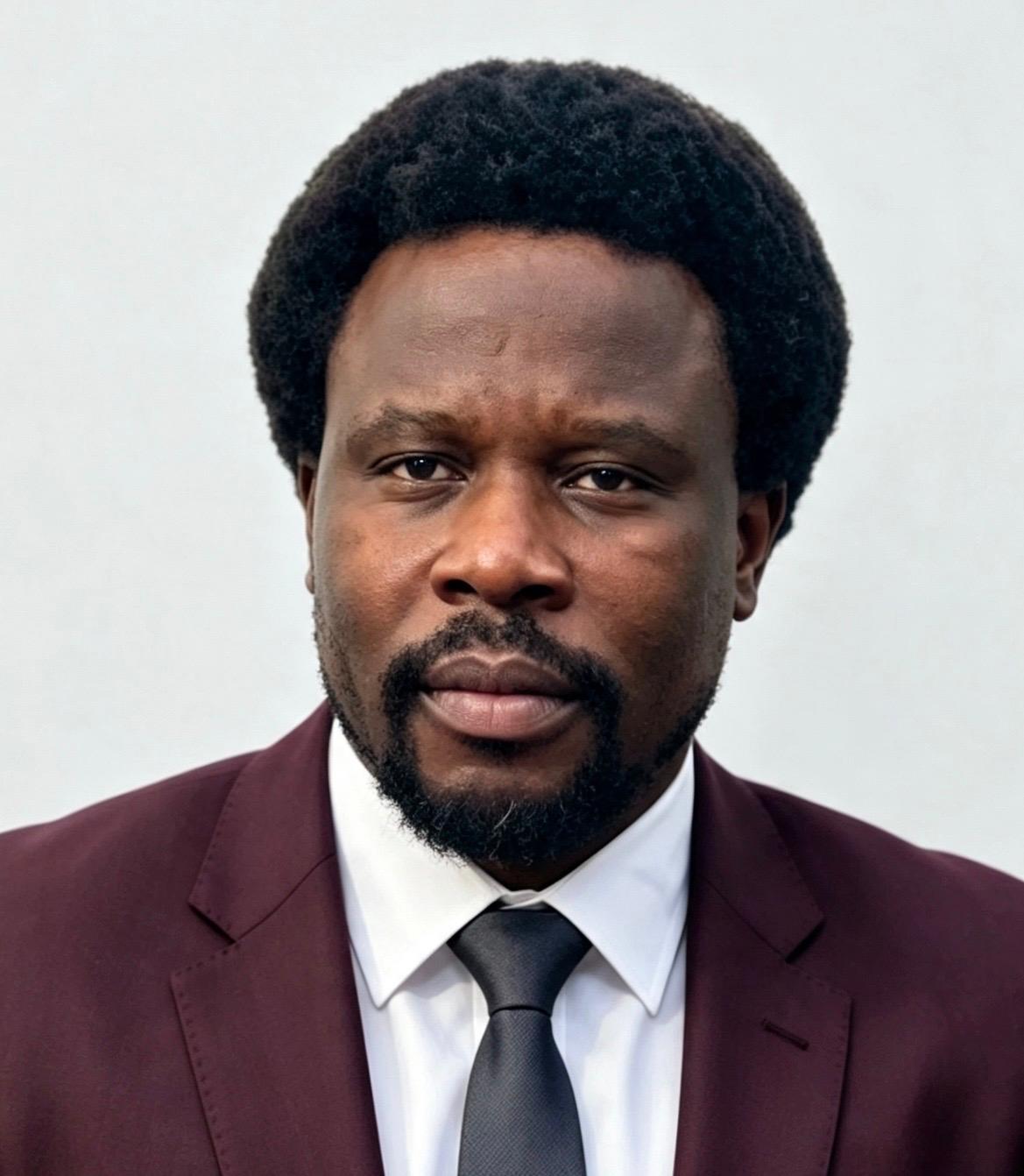
By MacClean Nortey, C.E.O., Hands of Gold Foundation
https://ghanaiantimes.com.gh/tackling-sexual-violence-helping-keep-our-girls-in-school/
4 Comments
bright Arko
No matter how great a man is, he was born by a woman. Let us all join in to keep the girl child safe in our schools us educators
Emmanuel Johnson Egyire
Huge emphasis on safety gap. Thank you for this. I am hoping this gets louder enough to fall on the right ears.
Eugenia lamptey
"If you educate a man you educate an individual but if you educate a woman,you educate a whole nation." Sexual harassment in schools has proven itself one of the greatest contributing factors to halting girl child education. Several dreams and aspirations locked up in her screams. This is a very insightful initiative and Ghanaians should all play a role in ensuring the classroom stays safe and conducive for learning.
Gifty Richlove Ansah
Thank you Mr. Nortey for this insightful topic of concern. You have indeed raised one of the most relevant concerns that had been overlooked. I hope the whole Ghana supports this initiative for a fear-free environment for the girl children in schools. I applaud you.
Leave a Comment
Your email is not published. Comments are reviewed before appearing.